

Top 20 global oil stocks by market capitalisation in 2025
Oil remains a cornerstone of the global energy system, shaping economies, trade flows and industrial growth. Even as renewable alternatives expand and policy targets evolve, major producers continue to hold a central place in global supply chains and investment portfolios.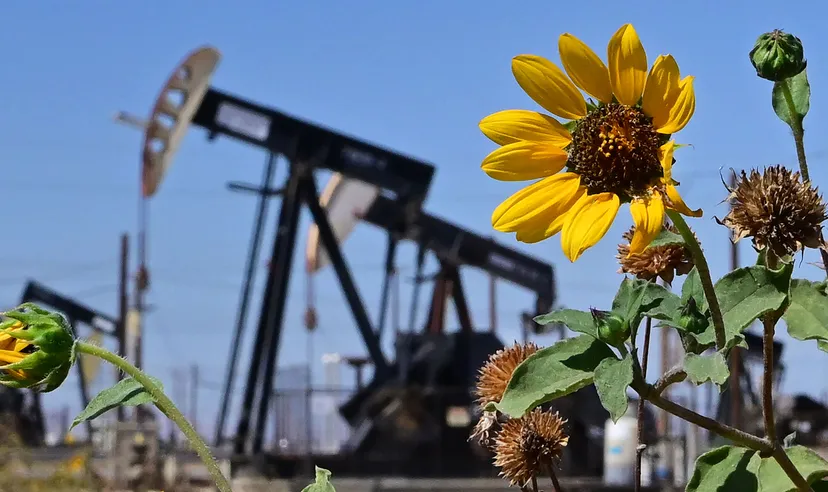
Oil and gas producers continue to demonstrate significant scale and profitability, even as the energy transition progresses.
With recent fluctuations in oil prices and major players such as Saudi Aramco, Exxon Mobil and Chevron maintaining strong market valuations, oil company stocks continue to attract interest from some traders.
Global oil markets: an overview in 2025
Despite a global push for renewables and tighter climate policies, demand for oil and gas remains substantial. Supply-side factors, infrastructure constraints and geopolitical risks continue to shape market behaviour.
While some major economies are experiencing moderating growth, upstream producers have largely maintained output, and refining margins remain comparatively stable.
Rising LNG demand and ongoing infrastructure development have also supported earnings across the sector.
At the same time, many producers are being scrutinised for their limited investment in low-carbon projects compared with their hydrocarbon operations. Although some are expanding into renewables, hydrogen and carbon-capture technologies, fossil fuels continue to account for most of their earnings.
The top 20 global oil companies by market capitalisation
As of late 2025, according to CompaniesMarketCap.com and other industry sources, the 20 largest oil and gas companies by market capitalisation are as follows:
| Rank | Company | Ticker | Market capitalisation (approx.) |
|---|---|---|---|
| 1 | Saudi Aramco | SAR | $2.030 trillion |
| 2 | Exxon Mobil | XOM | $448.22 billion |
| 3 | Chevron | CVX | $348.22 billion |
| 4 | Shell | RDSa | $199.42 billion |
| 5 | ConocoPhillips | COP | $161.21 billion |
| 6 | TotalEnergies | TTEF | $139.07 billion |
| 7 | PetroChina | 0857 | $122.22 billion |
| 8 | Equinor | EQNR | $112.48 billion |
| 9 | BP | BP | $102.01 billion |
| 10 | Petrobras | PBR | $89.28 billion |
| 11 | Gazprom | GAZP | $85.50 billion |
| 12 | Enbridge | ENB | $79.06 billion |
| 13 | EOG Resources | EOG | $78.74 billion |
| 14 | Schlumberger | SLB | $73.28 billion |
| 15 | Southern Company | SO | $70.92 billion |
| 16 | Duke Energy | DUK | $70.09 billion |
| 17 | Canadian Natural Resources | CNQ | $69.32 billion |
| 18 | Sinopec | 0338 | $67.59 billion |
| 19 | Occidental Petroleum | OXY | $66.94 billion |
| 20 | CNOOC | 2883 | $62.09 billion |
Source: CompaniesMarketCap.com, 20 November 2025.
These figures highlight that scale remains a critical advantage. The largest firms retain strong positions across reserves, production infrastructure and refining capacity, though many face increasing pressure to balance profitability with sustainability goals.
Oil market leaders: the five largest companies in 2025
1. Saudi Aramco
State-owned and based in Dhahran, Saudi Aramco (SAR) remains the world’s largest oil and gas company by market capitalisation. Its strength lies in extensive upstream reserves and low extraction costs. While it has expanded investment in petrochemicals and gas, fossil fuel production remains its primary focus.
2. Exxon Mobil
With a market value of around $448 billion, Exxon Mobil (XOM) continues to be the largest publicly traded US oil company. It has outlined plans for carbon-capture and hydrogen initiatives, though most revenue still comes from oil and gas operations.

Past performance is not a reliable indicator of future results. Share prices are indicative and may differ from live market prices.
3. Chevron
Chevron’s (CVX) market cap is approximately $348 billion. Its diversified portfolio, covering upstream, LNG and downstream operations, helps it manage price fluctuations. Renewables form a smaller share of its total investment.
Past performance is not a reliable indicator of future results. Share prices are indicative and may differ from live market prices.
4. Shell
Headquartered in the UK, Shell’s (SHEL) value stands near $199 billion. The company has divested from certain fossil-fuel assets, reinvesting in electricity, EV charging and lower-carbon projects. Nonetheless, oil and gas continue to contribute most of its earnings.
Past performance is not a reliable indicator of future results. Share prices are indicative and may differ from live market prices.
5. ConocoPhillips
With a market value of around $161 billion, ConocoPhillips (COP) remains a leading US independent producer. Its operations are focused on upstream oil and gas, and it has taken measured steps toward carbon-capture and efficiency improvements.
Past performance is not a reliable indicator of future results. Share prices are indicative and may differ from live market prices.
Key takeaways
- The global oil and gas sector continues to be dominated by large, established companies with extensive operations across exploration, production and refining.
- Based on current market-cap data, Saudi Aramco, Exxon Mobil, Chevron, Shell and ConocoPhillips remain the five largest players.
- While the energy transition is advancing, fossil fuels still provide the majority of industry earnings.
FAQ
What are the top 10 oil producers in the world?
As of November 2025, the world’s ten largest oil and gas companies by market capitalisation are Saudi Aramco, Exxon Mobil, Chevron, PetroChina, Shell, TotalEnergies, CNOOC, ConocoPhillips, Enbridge and TAQA. These companies hold leading positions in global oil production and refining, operating across multiple regions and supply chains. While some have increased investment in renewable and low-carbon projects, most still derive the majority of their revenue from fossil-fuel extraction and refining.
What is the largest oil company in the world?
The largest oil company globally by market capitalisation remains Saudi Aramco, valued at approximately £1.268 trillion as of November 2025 (CompaniesMarketCap.com). Majority-owned by the Saudi state, Aramco continues to lead the global energy sector in oil production capacity, profitability and export volumes. Although it has made incremental investments in petrochemicals and lower-carbon technologies, upstream oil and gas production remains its core business.
Can I trade oil company share CFDs on Capital.com?
Yes. You can trade contracts for difference (CFDs) on a wide range of global oil and gas companies on Capital.com, including major firms such as Exxon Mobil, Chevron, Shell and BP. CFDs enable you to speculate on price movements without owning the underlying shares, allowing you to go long or short, depending on your market outlook. However, CFD trading involves margin – leverage amplifies both your profits and your losses.