

Market Mondays: waiting game as geopolitics gives way to macro
Markets trade with some uncertainty as high inflation and a lack of progress in the Middle East cap the upside
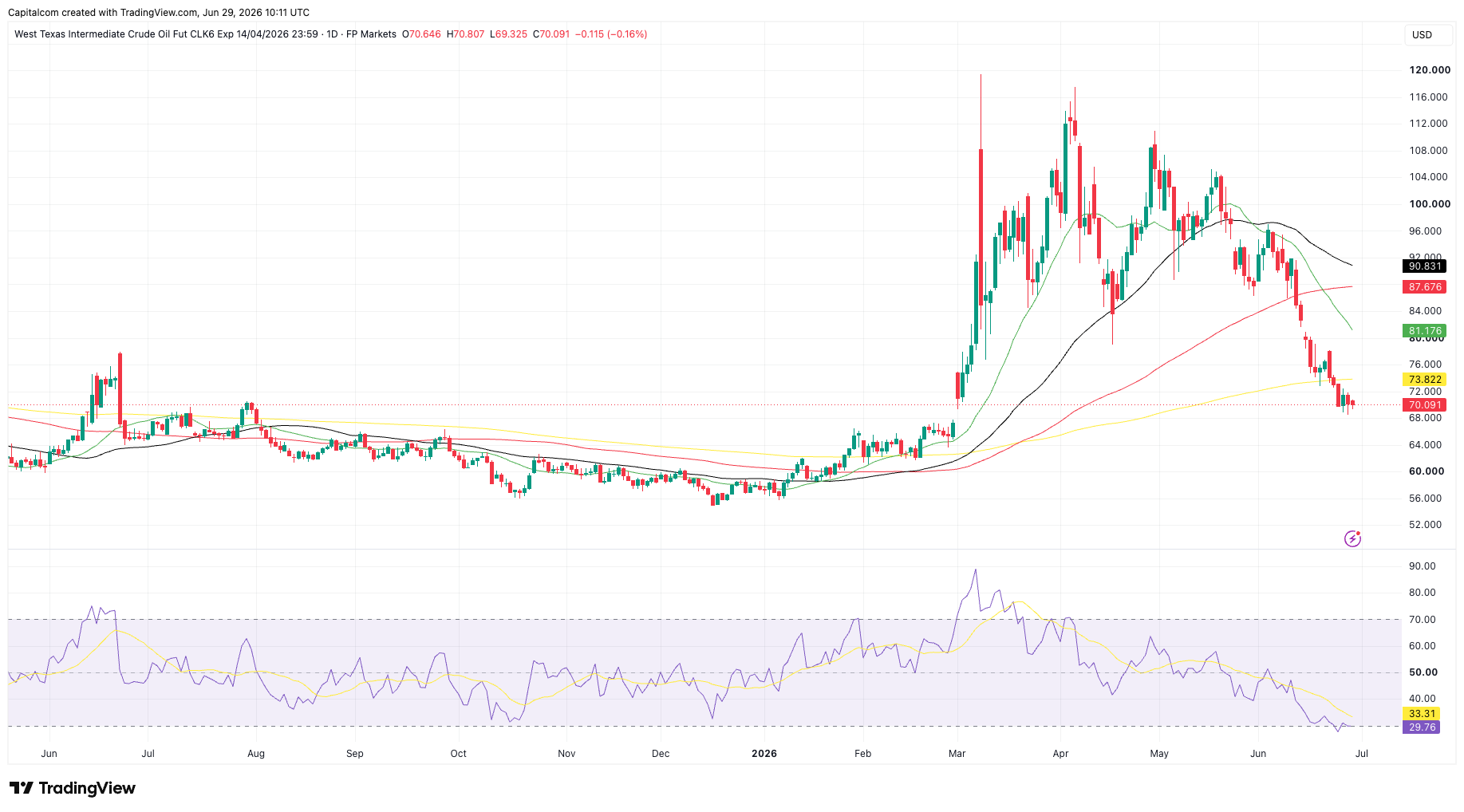
Markets are beginning the week on a cautiously optimistic footing, with geopolitical tensions continuing to dominate sentiment despite becoming a less powerful driver than they were just a few weeks ago. Once again, the familiar pattern has played out: renewed exchanges between the US and Iran over the weekend briefly unsettled markets, only for reports of both sides returning to negotiations to restore confidence by Monday morning. Oil prices have edged lower, equities have recovered and investors are once again leaning toward the view that the ceasefire and broader peace framework will ultimately hold.
That confidence, however, may be getting ahead of the facts. While markets appear comfortable pricing a relatively swift normalisation of energy markets, there remain clear signs that negotiations are far from straightforward. Both Washington and Tehran continue to disagree on key aspects of any long-term agreement, while shipping through the Strait of Hormuz remains below normal levels. Prediction markets have become less convinced that a permanent settlement will be reached, yet financial markets continue to trade as though the geopolitical risk premium will steadily fade. That leaves oil particularly vulnerable to sudden reversals should negotiations deteriorate again.
West Texas Intermediate (WTI) daily chart
Past performance is not a reliable indicator of future results.
The inflation story has also evolved. Last week's US PCE data broadly met expectations, while falling oil prices have led markets to reduce the probability of further Federal Reserve tightening before year-end. Inflation swaps now imply much lower inflation over the next 12 months, reflecting the belief that cheaper energy will quickly feed through to consumers. However, there remains an important distinction between energy-driven inflation and broader price pressures. While the energy shock is easing, underlying inflation linked to resilient labour markets, fiscal support and the AI investment cycle remains considerably more persistent.
That creates an interesting backdrop for Kevin Warsh's Federal Reserve. One area markets are watching closely is the possibility that the Fed places greater emphasis on trimmed-mean inflation measures, which exclude extreme price movements and arguably provide a clearer picture of underlying inflation. If that becomes a greater focus under Warsh, it could support the view that inflation is closer to target than headline measures currently suggest, reducing the urgency for further tightening. However, that remains speculative for now, and investors are likely to look for further evidence before materially repricing expectations.
Attention now turns to Friday's US non-farm payrolls report, which may prove to be the week's defining event. Recent labour market data has consistently pointed to a resilient US economy, undermining one of the strongest arguments against further rate hikes. A strong payrolls report would reinforce the idea that the economy can withstand restrictive policy for longer, while a softer reading could revive hopes that the Fed has room to remain on hold. In the absence of major earnings or central-bank decisions, labour market data is likely to become the primary driver of market sentiment over the coming days.
The broader picture is one of transition. The AI-led earnings story remains intact and continues to provide a solid underpinning for US equities, but the one-way rally seen through April and May has given way to a more balanced market. Geopolitical headlines, inflation expectations and policy uncertainty are now creating periodic bouts of volatility, even as the long-term outlook remains constructive. Rather than a straight-line advance, investors may need to become accustomed to a market where strong fundamentals continue to support higher prices, but macroeconomic surprises generate sharper and more frequent corrections along the way.