


Greece housing market: inflation, demand and outlook
Greece’s housing market has entered a slower phase after several years of rapid growth. As borrowing costs rise and inflation remains elevated, activity is cooling across key regions, prompting questions about whether the market is heading for a correction or simply stabilising.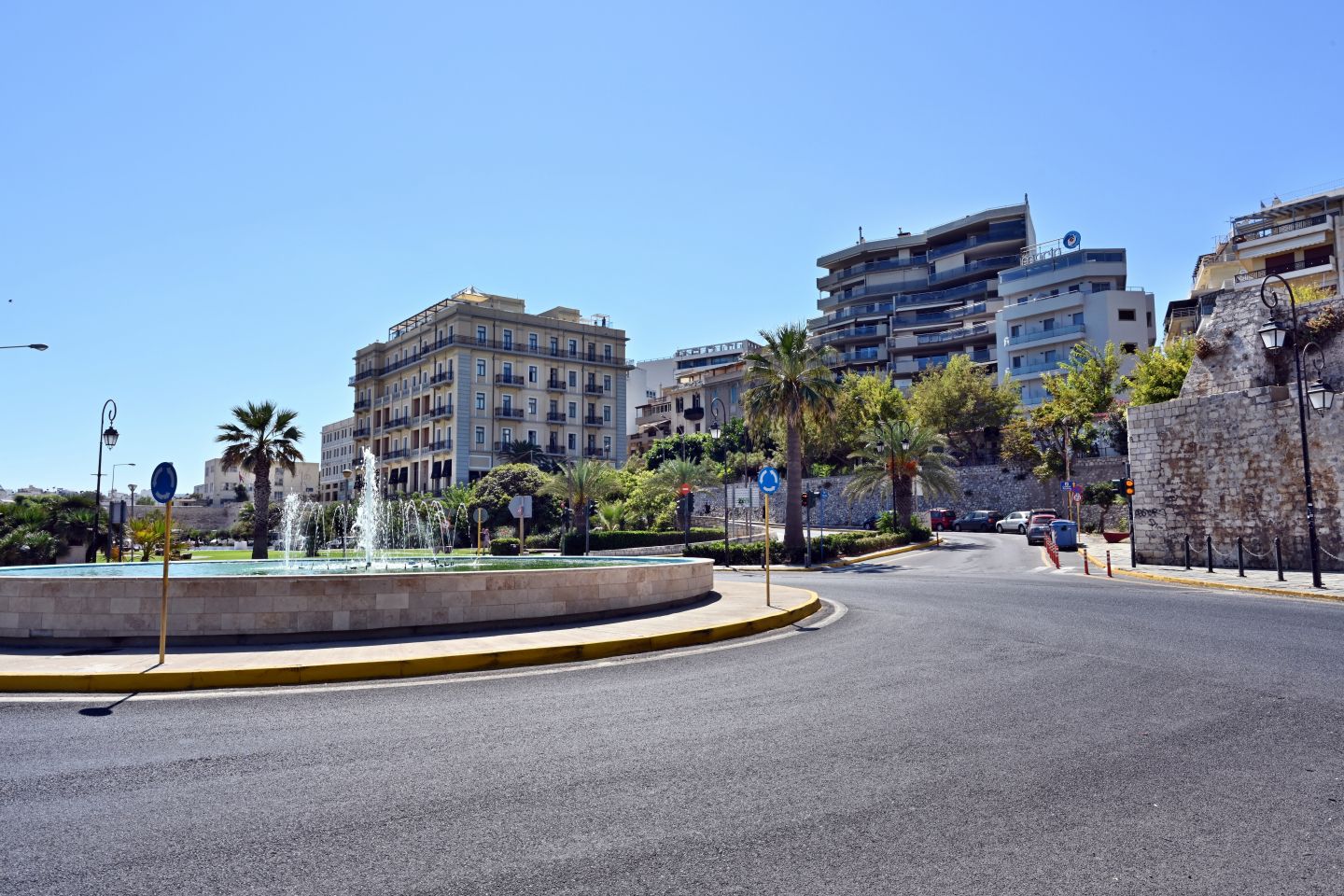
Greece’s housing market has experienced dramatic cycles – including two sharp price declines since 2008. In recent years, it saw a notable rebound, supported by low interest rates, strong foreign demand and tourism-driven growth. However, as of 2025, momentum has slowed. Prices are still increasing, but at a more modest pace, and several indicators suggest a growing risk of a correction rather than a full-scale downturn.
This article provides an objective overview of recent trends, underlying drivers, risks, and the market outlook for Greece’s housing sector in the coming years. It does not constitute investment advice.
What is a housing crash?
Property markets typically move in cycles – periods of growth, peaks, slowdowns and occasional declines. A housing 'bubble' occurs when prices rise quickly and deviate significantly from fundamentals such as income levels, rents and affordability.
When demand softens or borrowing costs increase while supply remains steady, downward pressure can emerge, often leading to a price correction or decline. In simple terms, sustained high growth is usually followed by a period of stagnation or contraction.
Historical context: Greece’s house price cycles
In the early 2000s, Greece saw strong price growth, particularly in coastal and tourist areas. This trend reversed during the global financial and sovereign-debt crises (2008 onwards), when GDP fell, unemployment surged and household incomes weakened. Average house prices dropped by around 42.5% between 2007 and 2017.
After this period, the market gradually stabilised, and from 2017 onwards, prices began to recover steadily.
Source: European Commission, 3 October 2025.
Past performance is not a reliable indicator of future results.
Recent market performance
- As of early 2025, average residential prices rose by about 6.2% year-on-year, compared with 8.6% in 2024 (Global Property Guide, 2 July 2025).
- Transaction volumes have declined, with national sales down roughly 15%, and Athens reporting an 18% fall in Q1 2025 (European Real Estate, 17 October 2025).
- New-home construction has dropped by around 27%, raising questions about future supply (Greek Reporter, 11 November 2025).
- According to the Bank of Greece, apartment prices increased by 6.8% in Q1 2025, compared with 8.9% for 2024 as a whole (Global Property Guide, 2 July 2025).
- Regionally, growth remains uneven: Thessaloniki recorded a 10% rise in early 2025, compared with around 5.5% in Athens (Ellas Estate, 16 July 2025).
In short, prices are still rising, but momentum has weakened and market activity is subdued. Past performance is not a reliable indicator of future results.
Bubble and crash analysis
There is no evidence of a market crash in Greece as of November 2025. Prices remain well above pre-pandemic levels, indicating a cooling phase rather than a collapse. However, valuations are estimated to be around 20% above fundamentals, according to European Commission assessments (Athens News, 10 November 2025).
Key vulnerabilities include high valuations, lower affordability, elevated borrowing costs, inflationary pressure and a fall in foreign demand.
Key drivers and risks
Borrowing costs and affordability
Mortgage rates in Greece now average 3.6–4.0%, up from previous lows. Higher costs are eroding affordability and reducing loan demand. Inflation, at around 2.5–3.4% in mid-2025, remains above the euro-area average, squeezing real incomes and limiting purchasing power (European Real Estate, 17 October 2025).
Foreign investment and external demand
Foreign property investment has declined by nearly 18% in the first half of 2025. Tighter rules on short-term rentals and non-resident ownership have added to the slowdown. External demand, once a major growth driver, has weakened noticeably (Global Property Guide, 2 July 2025).
Supply and construction
Evidence points to a developing supply shortfall, with building permits and construction volumes both down. This may support prices in the short term, but could also lead to imbalances if demand weakens further (Greek Reporter, 11 November 2025).
Economic growth and employment
Greece’s GDP growth has slowed, and unemployment remains above 10%. Falling confidence among consumers and businesses highlights the economy’s limited capacity to sustain rapid house-price growth (European Commission, 17 November 2025).
Final thoughts
Greece’s housing market in 2025 appears to be entering a slower, more cautious phase. While prices remain elevated and there is no sign of a major downturn, the combination of weaker demand, reduced affordability and tighter regulation suggests that the rapid growth phase has ended.
Key factors to monitor include interest-rate trends, construction activity, foreign investment and government policy. A measured, observant approach is advisable in an environment that continues to evolve.
Create an account Open a demo account
FAQ
Is there a housing crisis coming in Greece?
As of late 2025, there is no clear evidence of a housing crisis in Greece. Prices are still edging higher, but the pace has slowed, and sales volumes have fallen noticeably. The overall picture is one of cooling rather than collapse, reflecting a broader moderation across the economy. Weaker growth, higher borrowing costs and reduced foreign investment have all contributed to softer conditions. These developments point towards a period of slower growth or stagnation rather than a major downturn, although persistent inflation and stricter lending standards are expected to keep affordability under pressure.
Is Greece’s housing market a bubble?
Concerns about whether Greece’s housing market is forming a bubble have also surfaced. According to European Commission assessments, property values may be around 20% above underlying fundamentals, suggesting an overheated but not extreme market. This situation differs from the pre-2008 cycle, when easy credit and speculative building drove instability. Today, mortgage lending is more constrained and new-home construction remains subdued, reducing the likelihood of a rapid collapse. Most evidence therefore points to a gradual correction or prolonged period of stable prices rather than a sharp fall.
How are government policies affecting Greece’s housing market?
Government policy is also shaping these dynamics. Tighter regulation of short-term rentals, including platforms such as Airbnb, and new restrictions on non-resident ownership have cooled speculative activity, particularly in major cities. Meanwhile, additional property taxes and stronger anti-money-laundering controls have added compliance costs but improved transparency. Offsetting this, subsidies for energy-efficient renovations and urban renewal projects are encouraging investment in older housing stock. The combined effect is a more balanced, though slower-moving, market as Greece heads into 2026.
How might higher interest rates affect buyers and sellers in 2026?
Interest-rate developments remain one of the most significant factors for both buyers and sellers. Mortgage rates have risen to around 5% – the highest in more than a decade – making borrowing more expensive and reducing purchasing power. For sellers, this environment can mean longer selling times and greater pressure to adjust pricing expectations. Developers are facing similar headwinds, with higher building costs and fewer new project launches, and new-home construction estimated to have fallen by about 27% in 2025. If rates stay elevated through 2026, the housing market is likely to remain subdued, though limited supply could prevent a major price correction.