

Bank of England preview: Rate hike expected, but how much further can they go?
The Bank of England is expected to hike rates in November as inflation moves away from the 2% target, but the outlook remains tricky as growth shows signs of stalling.
The Bank of England is widely expected to raise interest rates by 25 basis points to 4% on Thursday, marking its first hike since August 2023.
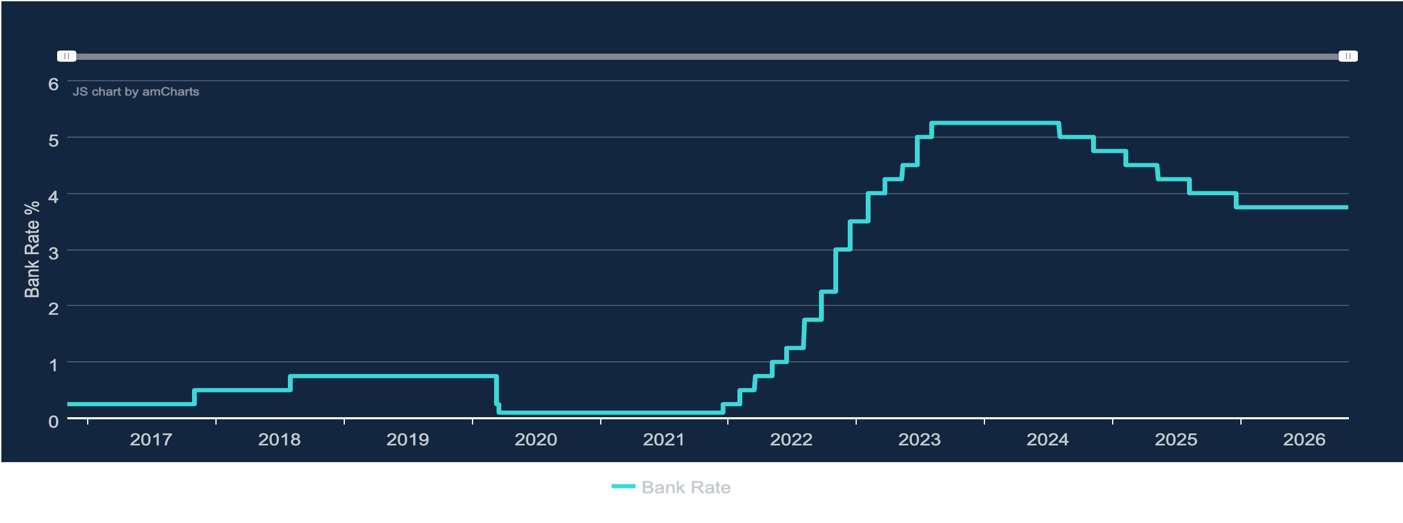
Source: bankofengland.co.uk
With UK inflation reaching 3.5% in September and energy prices remaining elevated, policymakers face growing pressure to prevent inflation from becoming more entrenched. As a result, the BoE faces a difficult balancing act. Higher energy costs are pushing inflation further above its 2% target, while concerns about their impact on wages and services prices have strengthened the case for tightening.
However, with a hike already largely priced in, the bigger question for markets is whether this marks the beginning of a prolonged tightening cycle or a more limited response to the latest inflation shock. There is still limited evidence of significant second-round effects, and higher borrowing costs could eventually weigh on household consumption and business investment. Last week's UK Budget offered some targeted relief but appears unlikely to materially change the monetary policy outlook.
The biggest potential surprise could come from a less hawkish message than markets anticipate. Investors are pricing several additional rate hikes over the coming year, but policymakers may be reluctant to endorse such an aggressive path without clearer evidence that inflation is spreading beyond energy. The vote split, updated economic forecasts and Andrew Bailey's press conference will therefore be particularly important. A cautious message could push gilt yields lower and weigh on sterling, even if the Bank raises rates as expected.
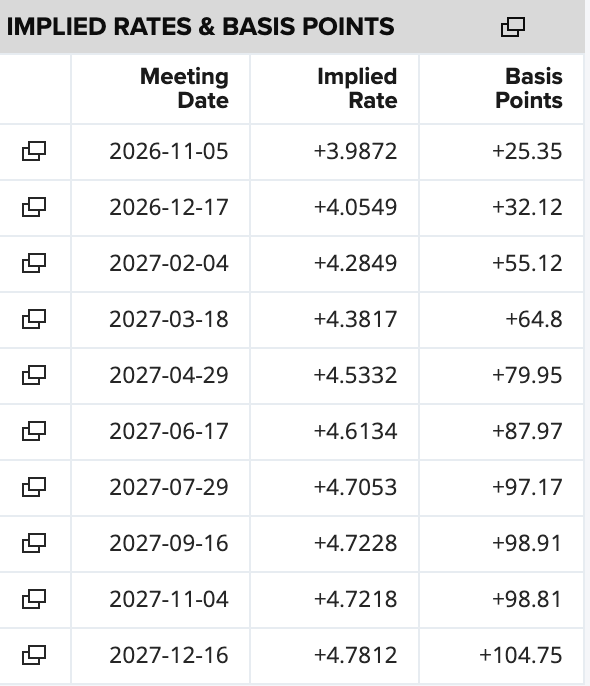
Source: refinitiv
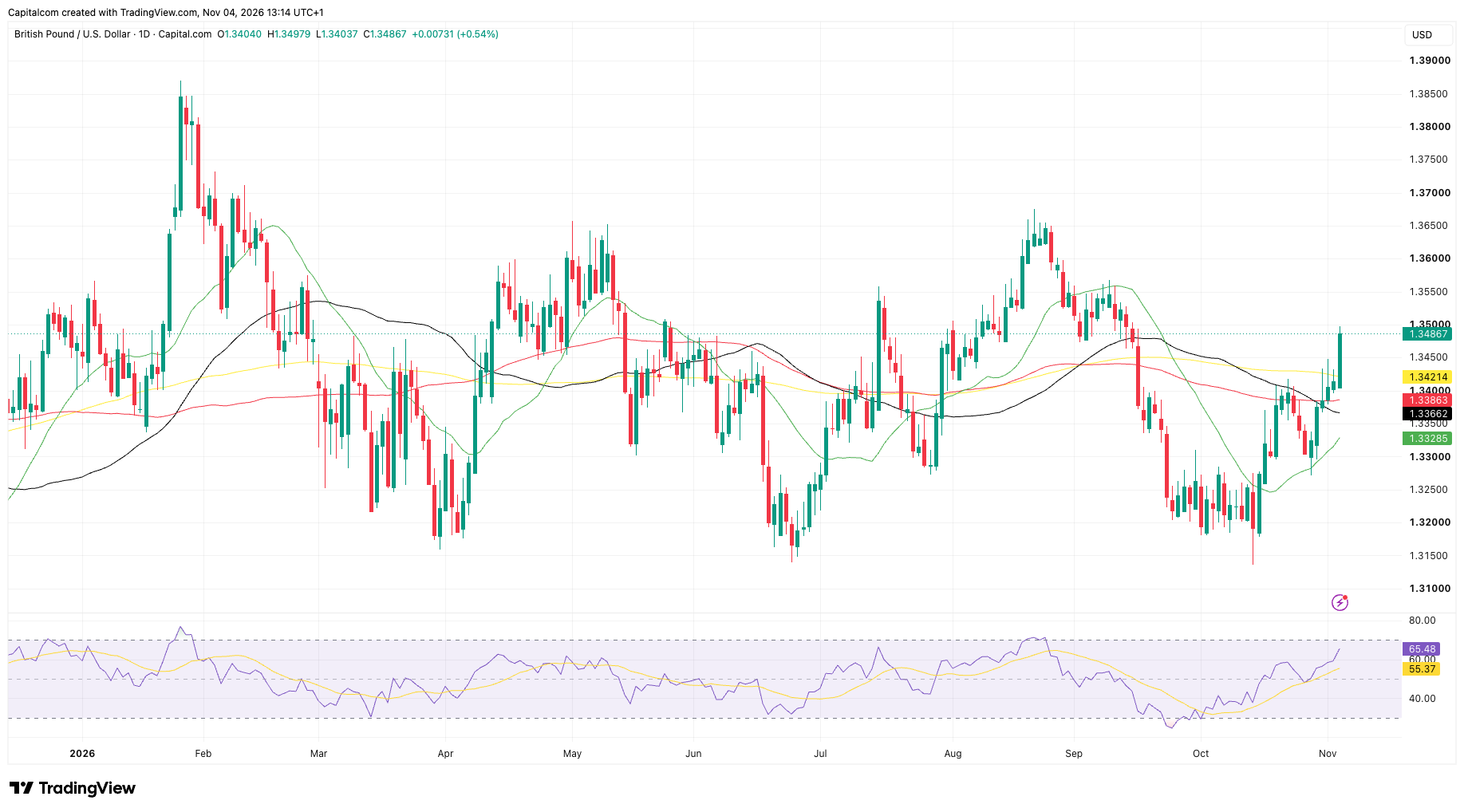
For GBP/USD, the reaction will also depend on the dollar following the US midterm elections, which have already contributed to renewed currency volatility. A hawkish BoE could support sterling, particularly if US yields continue easing, while a more cautious outlook could limit further gains. UK equities may benefit from less aggressive tightening expectations, although domestically focused sectors such as housebuilders and retailers remain sensitive to borrowing costs and consumer confidence.
GBP/USD daily chart
Past performance is not a reliable indicator of future results.