
Dollar dips on AI worries, euro edges up despite French unrest
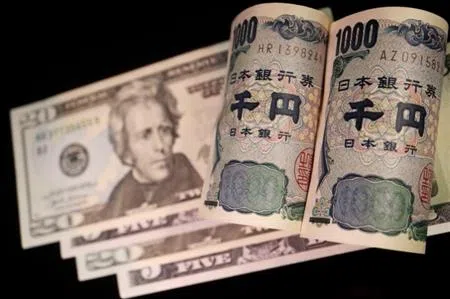
By Karen Brettell
NEW YORK, Oct 20 (Reuters) - The US dollar slipped on Tuesday as doubts over the AI trade resurfaced, while the euro edged up despite traders' lingering worries about unrest in France.
Shares in South Korean AI services firm Elice Group 0158S0.KQ plunged 32% in their Seoul market debut, a sign that negative sentiment toward the AI sector in global markets is not easing.
Strong capital inflows into US stocks have supported the dollar. Higher interest rates, driven partly by growth and inflation expectations tied to the sector, have also helped.
"The dollar has been supported by big inflows into the equity market," said Dominic Bunning, head of G10 FX strategy at Nomura.
Now, he said, "there is a lot more skepticism about the degree to which a lot of these companies will be profitable enough to justify the amount of issuance that having to be made at the moment … and whether this whole ecosystem can be profitable enough in the context of higher rates over a period of time."
The dollar index , which measures the greenback against a basket of currencies including the yen and the euro, fell 0.27% to 101.69, with the euro up 0.2% at $1.1232.
Traders remained wary of the euro despite Tuesday's modest gains as France faces widespread protests and a worsening fiscal picture.
The government said overnight curfews in violence-hit areas of France's biggest cities had brought some respite from the country's worst unrest in years. More protests are planned for the weekend.
"The worries in France are not going away anytime soon," said Tommy von Brömsen, FX strategist at Handelsbanken. "The bearish view on France will stay for a while longer, and there's much more euro weakness to be priced in."
Britain's pound strengthened 0.66% to $1.339 after labour market data showed a resilient jobs market, the latest batch of data from the UK that surprised to the upside.
"The risk is that a resilient labour market gives the Bank of England both the room and the reason to raise interest rates again," said Lale Akoner, global market strategist at eToro. "Sterling could benefit from rising rate expectations."
Markets are almost fully pricing in a 25-basis-point rate hike by the Bank of England at its next meeting on November 5, according to LSEG data.
STRONG JAPANESE BOND AUCTION
The yen jumped after an auction of longer-dated Japanese government bonds (JGBs) drew record demand.
"The record 20-year auction is a strong signal that sidelined cash is finally coming back," said Masahiko Loo, senior fixed-income strategist at State Street Investment Management in Tokyo. "JGBs are also starting to look like a relative haven from Europe's political and fiscal volatility, particularly around France.”
The Japanese yen gained 0.29% against the greenback to 158.04 per dollar.
Elsewhere, the Canadian dollar rose 0.42% to 1.405 per US dollar, its strongest level in almost a month, after Alberta residents voted by a large majority to remain part of Canada in the province's first-ever referendum on separation.